Does a good manager never ask employees to stay late? Do they run meetings with the precision and pacing of a drill instructor? Or are they great because their rendition of “Bohemian Rhapsody” never fails to bring the house down on company karaoke night?
If you’ve had more than two jobs in this lifetime, you know it could be any of those things. And many more! Today, we’re breaking down how to be a good manager and leader. We’ll cover dozens of qualities and reminders to help anyone in leadership level up their skills.
What makes a good manager?
Good managers combine their expertise with the personal qualities a particular workplace demands.
These are hard and soft skills. First, an individual becomes management material because of their education or industry experience. Add the most relevant soft skills, such as being a great communicator or having the patience of five kindergarten teachers, and you become a capable leader.
Think about how this applies to a great manager you’ve known. For example, a sales manager may have years of experience securing and managing accounts. But their enthusiasm is highly motivating, making them an exceptional manager for teams who need to achieve revenue targets.
35 tips and traits of a good manager
Do you need all of these traits to be a good manager? To a degree, yes! 😁 Truthfully, great leaders rarely have the chance to flex every single one of these traits and skills daily. The list also includes hard and soft skills, and their importance varies by workplace.
Some, like being approachable and giving recognition, are just part of any desirable company culture. As you proceed, ask yourself how many of these qualities and actions you don’t have to think twice about.
1. Commitment to a positive team culture.
And everyone knows it. Respect, support, and teamwork are woven into everyday operations and interactions.
2. Prompt interventions.
Good managers don’t let performance issues fester. They’ll intervene ASAP to encourage improvements.
3. Effective communication.
Everyone knows their objective, what's expected, and gets feedback.
4. They reevaluate.
One of the easiest traits of a good manager to spot is the ability to admit a decision wasn’t the best. Time to redirect!
5. Milestone celebrations.
Work anniversaries, birthdays, and other milestones don’t go unnoticed; even small gestures make staff feel like part of a community.
6. They’re approachable.
No one cowers in this workplace. Employees know how to reach out and feel welcome to do so.
7. Training and growth are within reach.
Being a leader means guiding people somewhere. Everyone should have the opportunity to improve or expand their skills.
8. Integrity on display.
No matter the workplace culture, good managers aren’t underhanded or dishonest in their dealings.
9. Conflict resolution.
Tempers don’t get a chance to flare. Tensions and disagreements are resolved in ways that promote a positive environment.
10. Avoids rising stress levels.
A little pressure is necessary at times and can even be highly motivating. But effective managers know how to do this without putting undue stress on their people.
11. Seeks feedback.
Whether in meetings or through anonymous pulse surveys, great leaders value employee perspectives.
12. They’re adaptable.
Employees are expected to roll with changing circumstances. Good managers lead by example and stay flexible, too.
13. Keeps up with the times.
It’s okay to be traditional, but effective leaders also stay abreast of industry trends and current best practices to keep their team’s roles efficient and relevant.
14. Success is celebrated.
Even when failure isn’t an option, wins, improvements, and successes shouldn’t land silently.
15. Gives employees some autonomy.
Micromanaging doesn’t foster growth, adaptability, engagement, or loyalty, all of which are key to retaining employees. A great manager can supervise without hovering or nitpicking.
16. Their reasoning makes sense.
Data-driven decisions build more confidence in team members. It’s hard to follow someone who makes murky decisions on a whim.
17. Team-building opportunities.
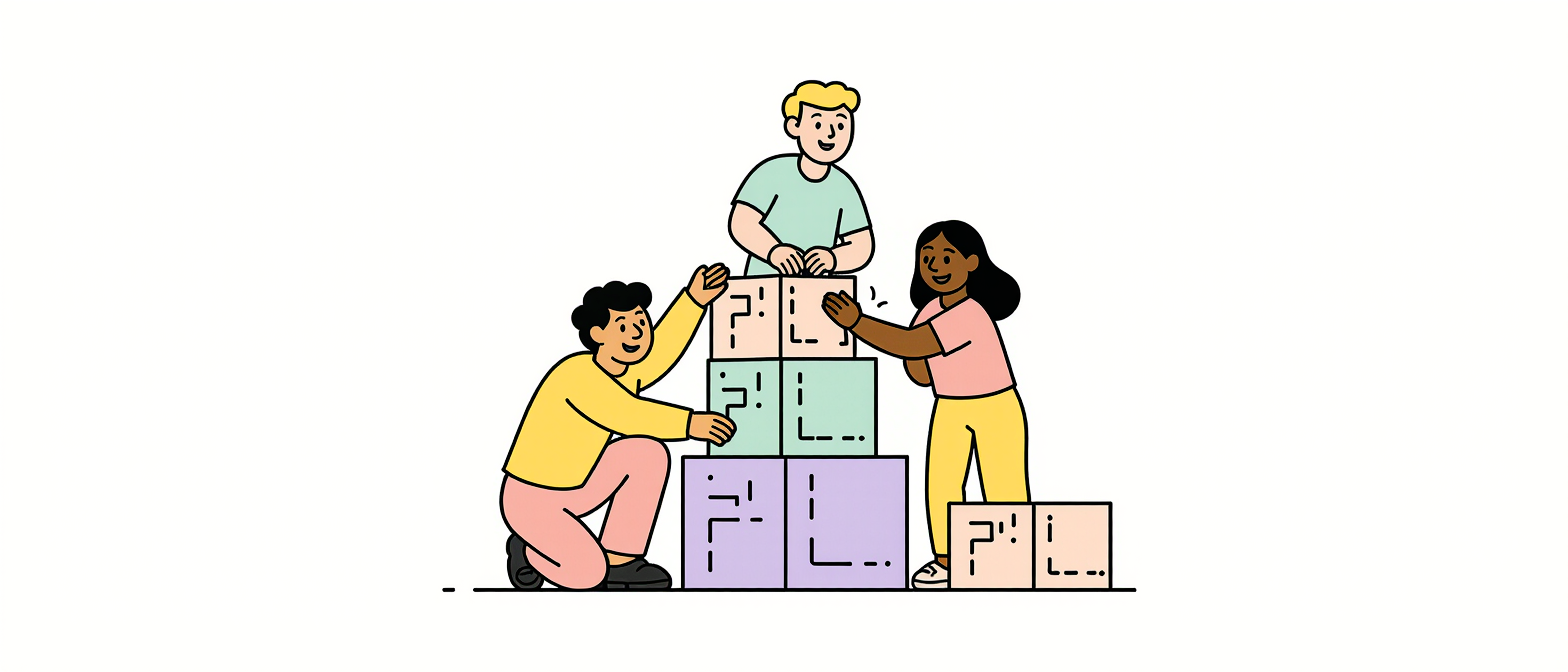
Strong, cohesive teams show a good manager. These people have bonded, overcome challenges, and had a little fun together.
18. They make your purpose clear.
Engaged employees know why their contributions matter. This starts with leadership, which defines their roles and shows them they make an impact.
19. Routine and ritual.
Whether it’s weekly meetings, regular check-ins, or a question of the day, small habits give everyone a sense of stability, safety, and community.
20. Enough expertise to go around.
One of a good manager's most important traits is thorough knowledge of the work to be done. And when they share some of that, they become great.
21. Organization.
You don’t have to be a total Type A, but knowing who does what and where that document is lives’s a manager’s job.
22. They appreciate leadership potential.
If someone displays leadership qualities, it’s not a threat. They foster those strengths through mentorship, new responsibilities, or promotion opportunities.
23. Time management skills.
Employees are expected to respect company time. Managers respect theirs, too. Employees don’t feel they can rely on a leader who’s regularly late or unprepared.
24. Anticipates challenges.
Understanding and communicating potential problems reduces anxiety and helps everyone move forward with more confidence.
25. The innovative approach.
Whether it’s gamification, experimentation, lunch-and-learns, or other concepts, it involves an element of innovation or creative thinking.
26. They don’t do it all alone.
Good managers are comfortable delegating to employees who could use the experience. Or they trust a colleague with something so they can get a more critical task under control first.
27. A healthy amount of optimism.
There will be trying times when a positive work culture gets harder to sustain. Skilled leaders remain realistic but optimistic. If it could all work out, they focus on that.
28. A great fit for the company.
Even managers employees really like can tell when a manager isn’t all in on the company's aims and values. This can make it seem like they’re “settling” or aren’t invested in team success–their success.
29. Checking in.
Good managers check in with employees individually, especially on asynchronous teams. Employees are more inspired and feel more responsible for their role when they do.
30. Meeting deadlines.
A huge part of setting the standard is doing much of what employees are expected to do. Management not doing their part and holding back a team that worked hard to stay on schedule? 🤨
31. Empathy.
Never ignore someone’s emotions, whether they’re openly struggling with their work or going through a tough time personally. A little compassion and understanding can have a massive impact on employee wellbeing.
32. Check those biases.
This doesn’t only apply to the larger, obvious biases we avoid at work. Being fair and appropriately impartial across many workplace topics helps everyone feel welcome.
33. The criticism is constructive.
Great managers have enough foresight, education, or experience to deliver criticism without crushing someone. They put thought behind their words so they help more than they hurt.
34. Recognition is specific and timely.
One of the more underrated qualities of a good manager involves recognition, especially praise. Effective leaders know it’s important to call out positive behaviors right away, reinforcing them by naming what specifically is so beneficial.
35. Good managers give employees the tools to create a stronger, happier company culture 🌮
This last one combines several tips and traits we shared today. Positivity, recognition, innovative approaches, and autonomy converge with the right tools. Great managers and leaders empower their teams with gamified peer-recognition tools to boost morale and improve collaboration.
The Bureau of Digital, a community for digital professionals, uses HeyTaco to promote positive energy exchanges. Their leader, Sam, explains, "A big part of our community is about sharing knowledge. HeyTaco lets us show appreciation for the support we get from each other, and it really boosts our collaborative vibe."
Increasing opportunities for recognition is one of a good manager's best qualities. Learn more or try it for free.
How to be a good manager FAQ
What are the most important qualities of a good manager?
The most important skills a good manager needs are:
- Clear communication, including listening
- The ability to connect work to goals
- Staying accountable for their decisions
- Regularly recognizing employees and giving quality feedback
What are common manager mistakes?
Undermanaging and overmanaging are the most common. Managers who don't do enough fail to set clear expectations or support their teams. Micromanagers take on too much themselves, which erodes trust and burns them out.
How often should managers meet with their team?
Managers should be meeting one-on-one with each employee every one to two weeks. Weekly group meetings for project progress updates, goal reminders, guidance, and other relevant news items also help engagement.
Can you learn to be a good manager?
Yes, most great management skills are learned. In particular, decision-making, delegation, and communication improve with experience.