The HeyTaco Blog
Ideas, research, and stories on peer recognition, employee engagement, and building stronger team culture.

Teams with less than 50 people should aim for a 35% participation rate in voluntary team-building. But what if you have 10 team members? That’s maybe three people. Shouldn’t it be easier to grab up a…

You’ve been checking the oven every two minutes to see if dinner’s ready, but you forgot to turn the oven on. This is a lot like attempting to improve engagement with surveys instead of looking at…

Preboarding was paperwork. Now it’s on to the “watch and learn” stage of onboarding, where new hires sit on the sidelines and wait to fit in. They only want to do well at their jobs. The company…
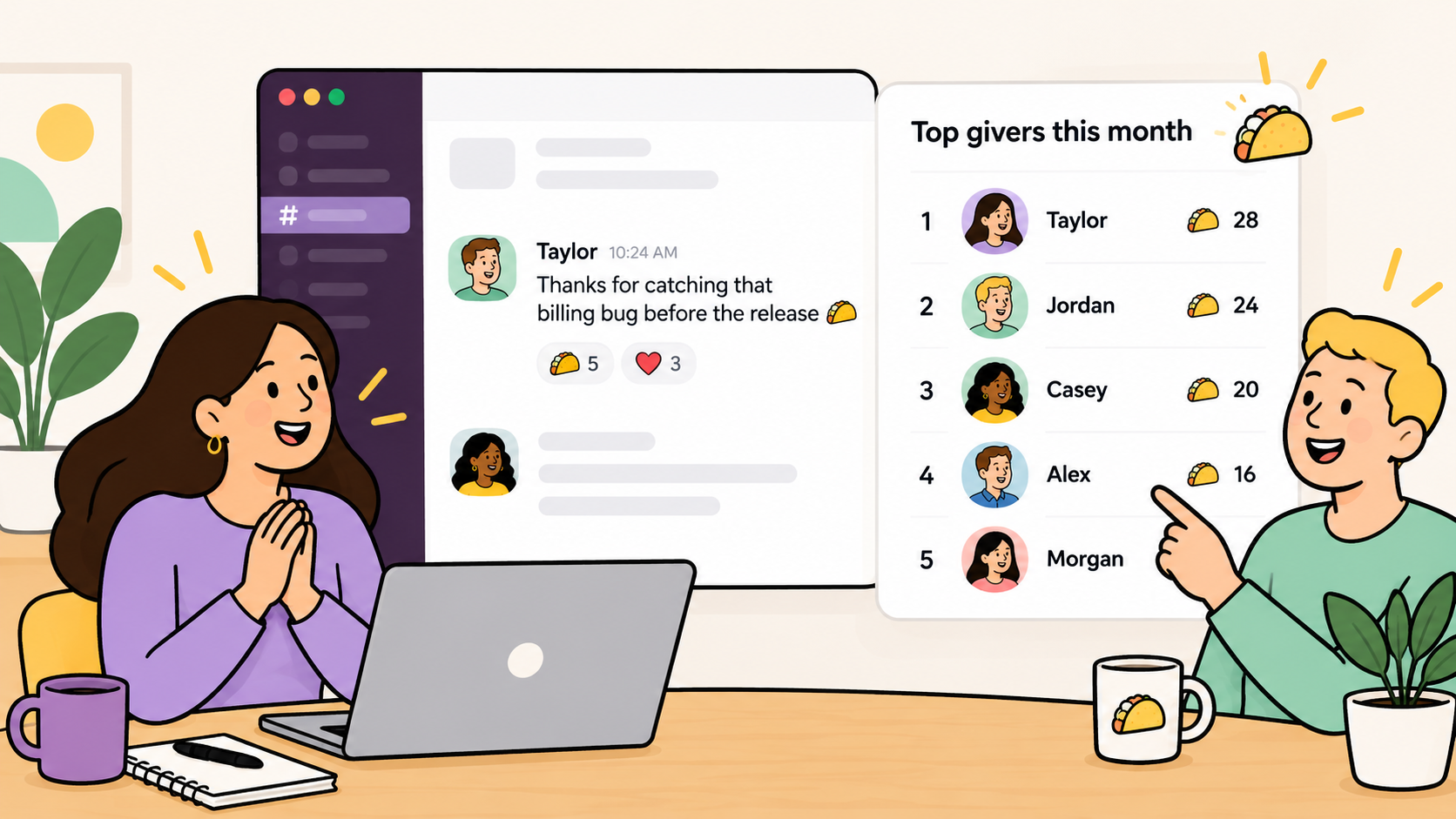
Eight years of data from 5,000+ teams shows why you should celebrate giving, not receiving, and what keeps recognition going.

Old habits die hard, as the saying goes. There are plenty, from pizza parties to afternoon brain dumps, that make going remote-first sound tough. How do we preserve retention, engagement, and…
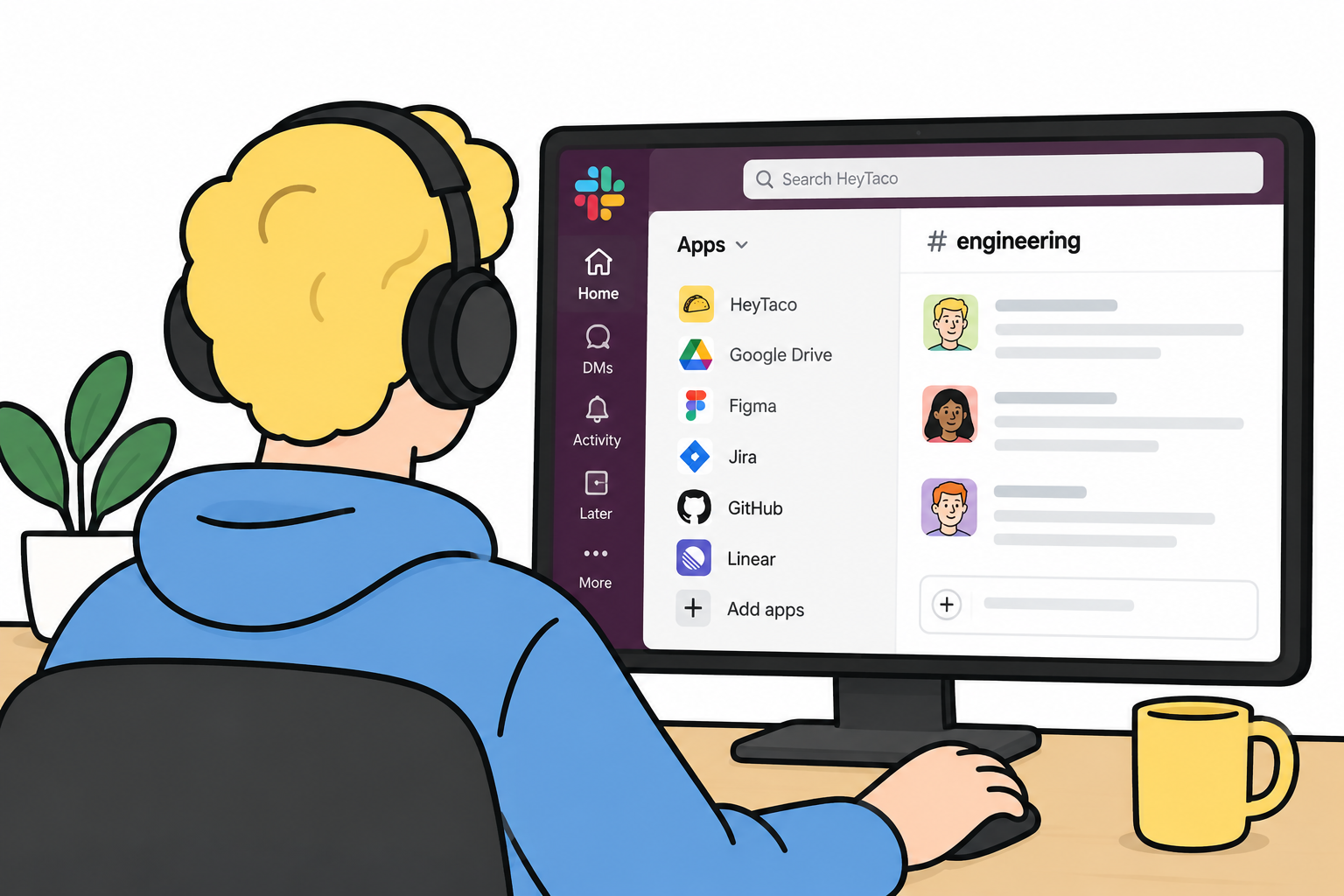
Globalizing engineering talent can come with a huge coordination tax. Choosing async communication, defining ownership, and improving documentation have helped growing teams pick up the slack.

A practical guide to employee recognition software for small businesses—what to look for, what to avoid, and which tools fit different kinds of teams.
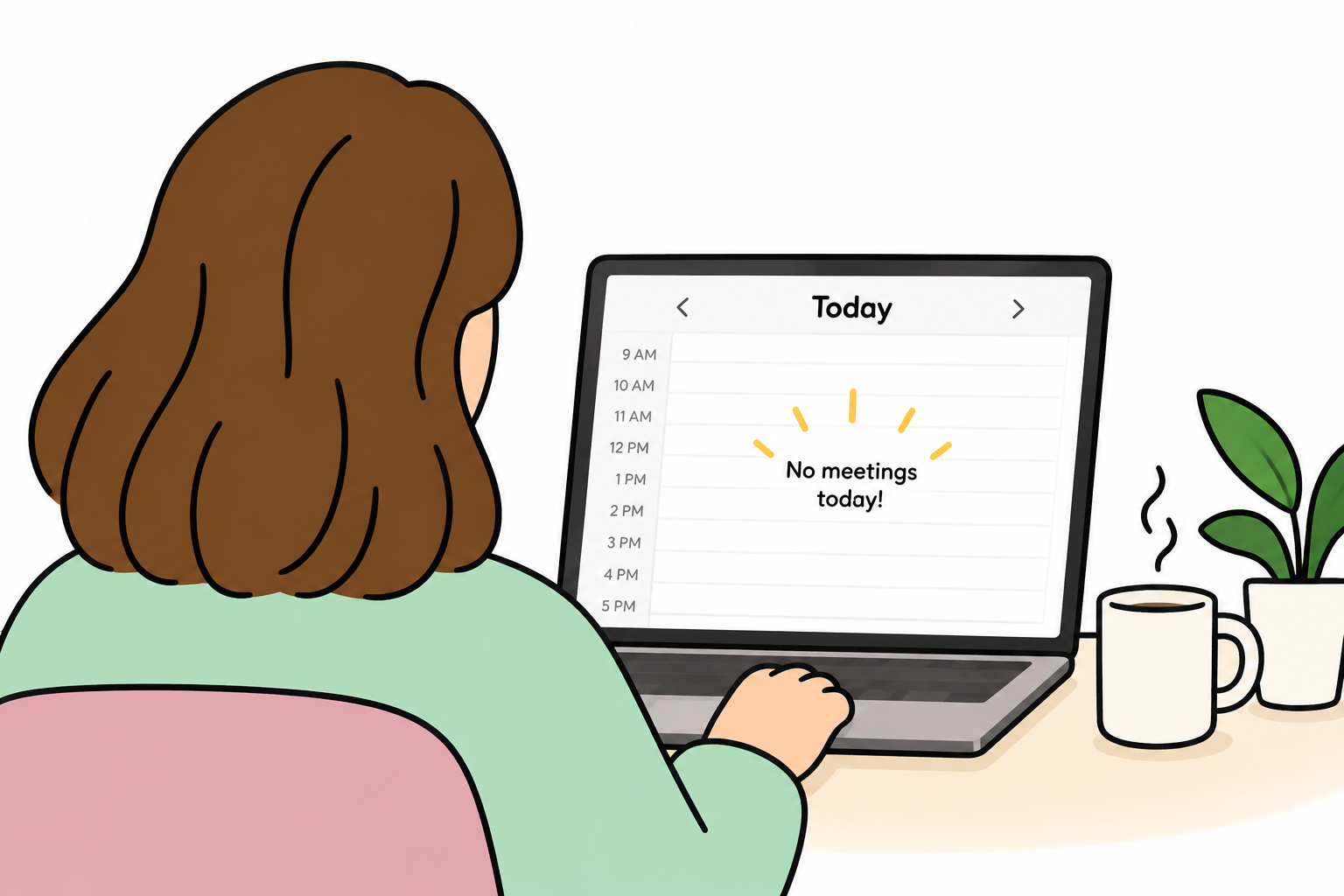
Autonomy, fewer distractions, no commute. Research says this is what makes remote workers more productive. Yet we’re all familiar with various laws and theories that show how problems increase…
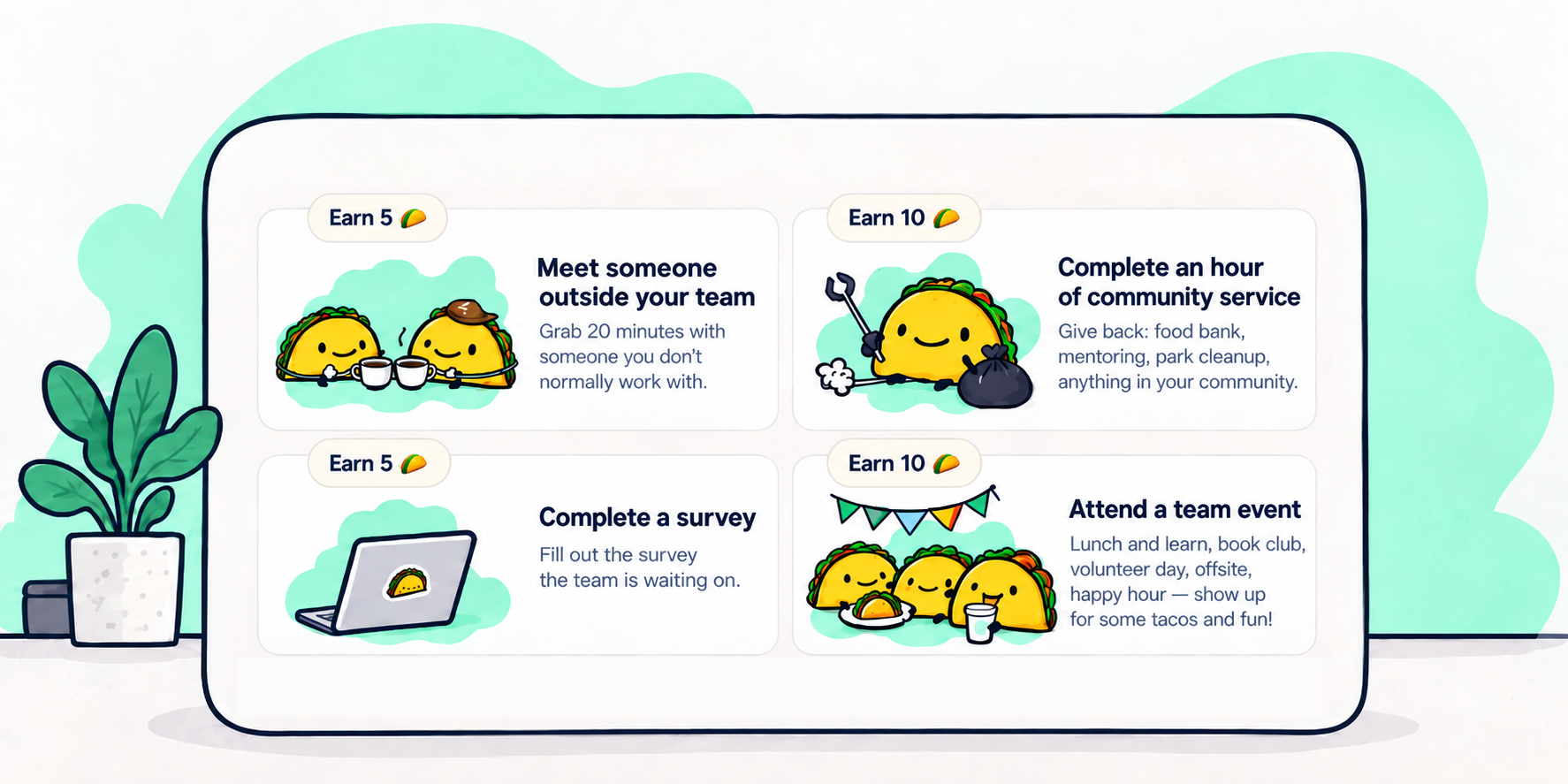
Onboarding, wellness, learning, and more now earn tacos.

Your best performers are avoiding the 3 pm icebreaker session because they fear it will ultimately hurt their performance. The employee who’s in bed halfway across the globe at that time feels left…
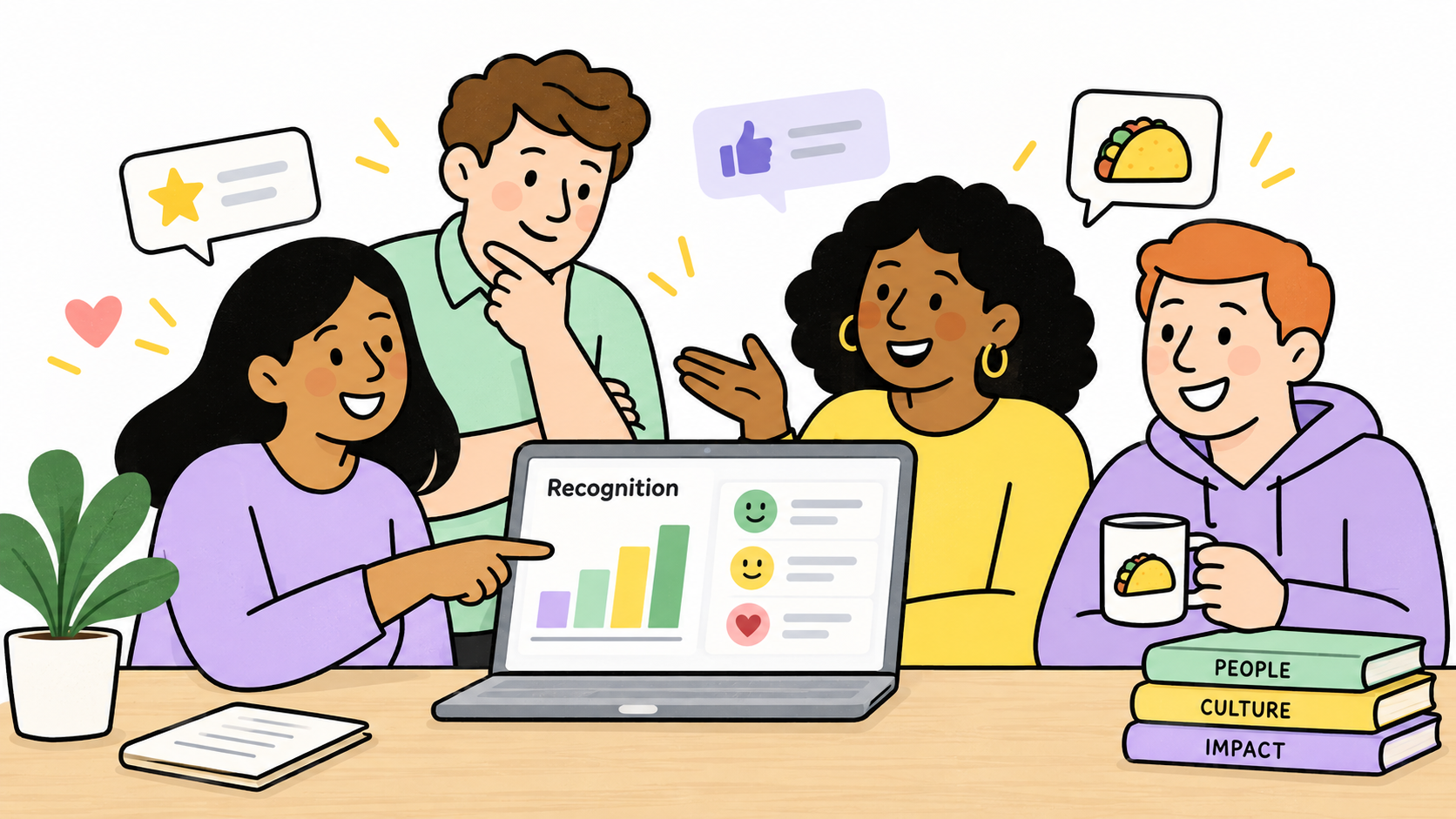
Most teams guess whether their recognition culture is working. Here's how to actually tell — with a free index that scores it in a few minutes.

Isolation means objectively being alone or set apart from others. Loneliness is a feeling we can have when we’re involuntarily or unduly isolated.