How humor helps with team celebrations, employee birthdays, and work anniversaries.
Early academic analyses of memes describe them as "contagious patterns of cultural information… [they] shape the mindsets and significant forms of behavior and actions of a social group."
That sounds intense! But over the last few decades, studies have shown that memes, GIFs, and other viral media help people build rapport and lift morale. They help us understand complex feelings and ideas at a glance.
They also help shape the employee experience and company culture. Today, we're answering the question, "Why use funny memes and GIFs at work?" Keep reading for tips and ideas on using them to enhance employee birthdays, work anniversaries, and virtual celebrations.
The cultural benefits of using memes and GIFs at work
Having fun at work reduces stress, improves productivity, and can even increase resilience. When that fun is relatable humor, it can work better than a positive quote or motivational message.
What impact might this have on the company culture?
1. It creates a sense of belonging.
Memes and GIFs emphasize inside jokes and shared interests. They make people feel included and seen in a real, authentic way. This is our biggest challenge with remote employees.
2. It forges positive connections to the workplace.
Pairing a giggle with a work anniversary adds positivity and relaxed humor to the broader employee experience. Happier employees feel more connected to their work and are more productive.
3. It's another form of recognition.
Employee recognition can get repetitive, and when it does, we barely notice it. Frankly, it can get boring. That's why we include as many channels and methods as make sense. Stand out with a cute cat GIF from time to time!
4. It catches on.
HeyTaco keeps getting adopted by global teams because it's fun, light, and easy to spread. This is the beauty of easily accessible, positive practices– you don't have to force them. People want to participate.
Why use memes and GIFs to say happy birthday at work?
Acknowledging birthdays at work boosts morale and retention. It's not just a personal milestone; it's a human one.
Plus, the joy isn't limited to the person celebrating. Research shows that coworkers value celebrating one another more than themselves. Sharing birthday memes and GIFs works at work because:
- They're bite-sized bits of content that won't derail or distract too much.
- They help everyone get to know the preferences and personalities of senders and recipients.
- They're part of inclusive, positive workplace cultures where people are comfortable enough to laugh a little.
What's another way to say happy work anniversary?
Instead of sticking to a dry "Happy Workaversary!", be specific about their achievements. Shout out their best qualities and how much progress they've made. Express genuine positive anticipation about continuing to work with them.
Work anniversaries can be tough for folks. These are days to reflect on your time with an organization. A total 360-degree acknowledgment from peers and leaders alike helps.
A smile from a work anniversary meme or GIF helps, too. Start a chain of well-wishes in the team chat.
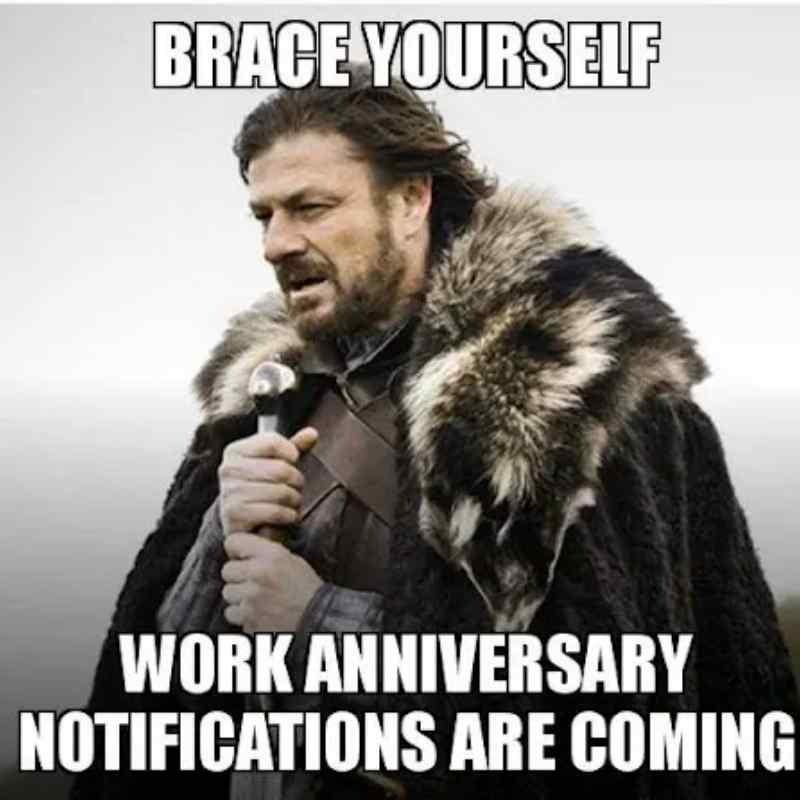
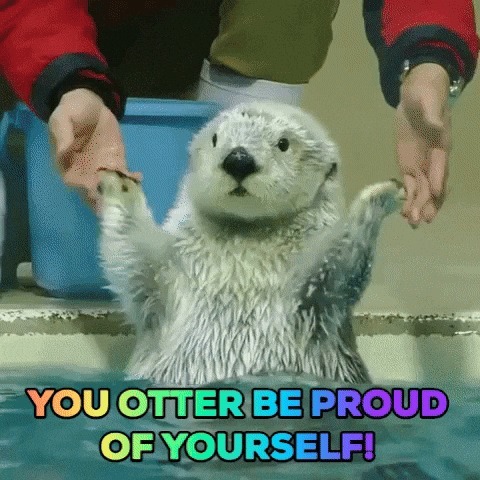
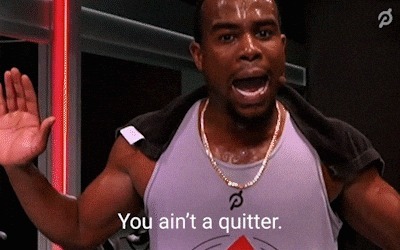
Ultimately, work anniversaries are also a day to appreciate decent retention rates.
Common challenges with virtual celebrations and team-building
Ah, virtual team-building. It can be tough to find the right time and perfect activity that makes it worth it.
Even virtual happy hours don't always hit after a stressful week. People want a margarita but are tired of being on camera. That sits atop these common complaints about virtual activities and parties:
- It can feel pointless. When trying to ritualize celebrations, the key objective can get lost. Leaders may excel at consistency, but not purpose or results.
- Events cut into personal time. Being asked to stay online "for fun" (when fun isn't a commonly experienced part of the culture) can bring on heavy sighs.
- Or they distract from their work. Employees trying to meet daily goals or meet deadlines don't always see these activities as breaks.
- When celebrating feels like an obligation. Teams worry that if they don't participate, it'll somehow count against them. This may make them resentful.
- Virtual eye contact isn't building the bonds we hope it will. Seeing faces regularly improves how leadership views employees. There's less evidence that it builds bonds among coworkers.
The root problems? There isn't enough existing rapport to support these events. They don't align with the broader culture.
Longer, more complex virtual celebrations and activities work better when everyone already feels some connection. Lightning-quick, low-pressure celebrations in the team chat are a good way to introduce a genuine connection.
Remote teams do this with HeyTaco all the time. The celebration's purpose is to recognize small wins. The 🌮 employees exchange symbolizes gratitude or kudos. Relatable, humorous media like memes and GIFs can enrich social interactions. Even (or especially) when it pokes fun at common workplace challenges.
More importantly, it introduces an element of play at work. This strengthens confidence, collaboration, and creativity. Company cultures that include play look forward to activities, celebrations, and gamified elements in various forms.
Best practices for using memes and GIFs at work
Memes and GIFs catch on, all right. What will sharing funny little pictures ultimately lead to? Only the good stuff, if we set a few ground rules.
Read the room.
Ask team members not to think twice, but THREE times before posting. We never get so relaxed that we stop checking whether the content is appropriate and aligns with company policies and values.
As an extra tip, have everyone choose something the honoree would appreciate based on their interests and sense of humor.
Share it where more people can enjoy it.
Spread the love and laughs in team chats. Maximum visibility will inspire more team members to share their own well wishes, making the recipient feel extra special.
People may be tempted to get as many laughs as they can, but discourage flooding. Make sure the channels are appropriate for this and not restricted to work-related communications.
Curate or customize.
Memes and GIFs are funny because we're all in on the joke. Even so, try to introduce something you haven't seen in the chat before. Leaders and managers shouldn't reuse the same meme or image for everyone's work anniversary; it will feel like you're just meeting an obligation.
Also, don't let anyone rest on them. Everyone, especially remote employees, should use words as their primary communication method, not reaction GIFs.

🥳 Examples of funny employee Happy Birthday GIFs and memes
To recap, wishing someone a happy work birthday with GIFs or memes is:
- Entertaining without being distracting,
- Cute without being cloying, and
- Funny without having to land a punchline!

How exactly does a taco shine? Let's taco bout it.

We love to shower the birthday honoree with scores of happy little tacos.
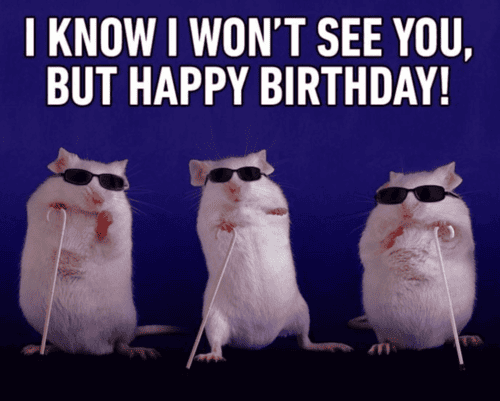
Just a little remote work humor.
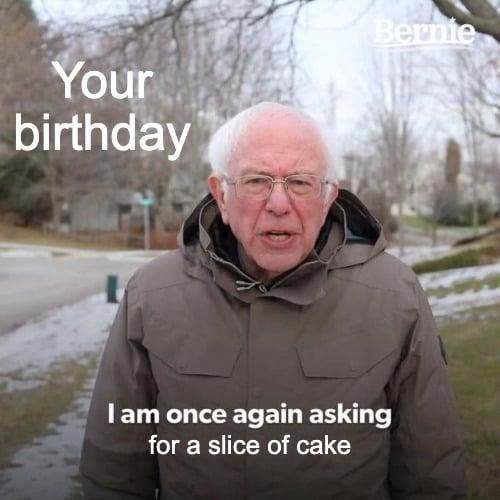
You know what they say: the squeaky wheel gets the grease.
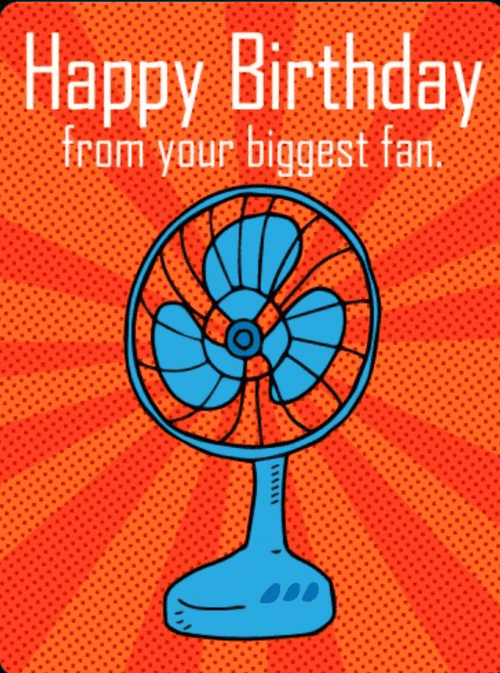
You're not always asking them for help because you're lost; you're just a huge fan of their work.
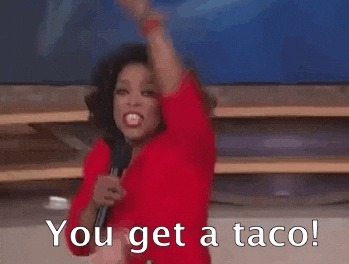
Kick off the virtual party with funny memes, GIFs, and HeyTaco Milestones.
If you want teams to be more engaged and collaborative, start small. Using funny memes and GIFs at work is one way to expand a cultural lexicon that begins with a tiny taco.
Introduce these concepts naturally by starting with personal and professional milestones. HeyTaco has launched a feature to help ensure you get these occasions right. Milestones allows you to customize and automate birthday wishes for coworkers and employees. It's the easygoing, lighthearted HeyTaco recognition they enjoy daily, tailored especially to birthdays and work anniversaries.
"It's simple, but meaningful—being able to give a taco with a quick message of thanks or recognition helps build a stronger, more positive culture without feeling forced." —DeAnna R., QA Manager