We often believe success leads to happiness, but what if I told you it works the other way around? I've seen firsthand how fostering happiness transforms workplace culture. A culture of appreciation creates a ripple effect that boosts morale, strengthens collaboration, and drives lasting business success.
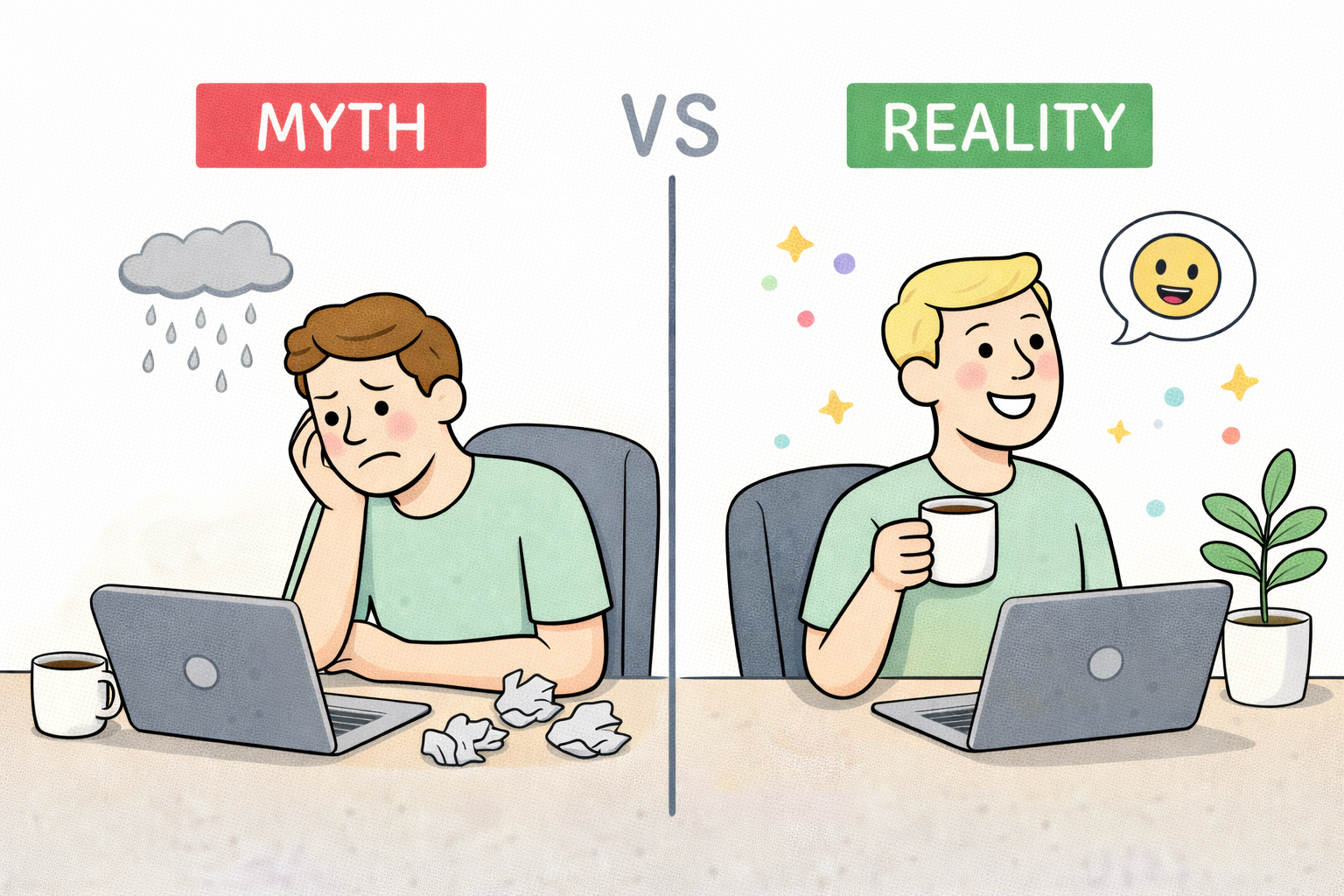
However, many misconceptions about workplace happiness and its impact on performance persist. Today, I’m separating fact from myth about workplace happiness.
❌ Myth: Happiness at work is just about perks like free snacks and ping-pong tables.
✅ Fact: While perks are nice, true workplace happiness comes from a sense of purpose and belonging. Employees who feel valued and appreciated are more engaged, motivated, and loyal. It's not about surface-level benefits. It's about building a culture where people feel genuinely seen and supported.
Recognition and purpose drive deeper satisfaction. You could have the best perks in the world, but if employees don't feel like their work matters or they're not appreciated, they’ll fall flat.
❌ Myth: Productivity and happiness have little to do with each other.
✅ Fact: Research shows that happy employees are 20% more productive! Why? Because positive emotions open the brain to better problem-solving, creativity, and focus. When employees are in a good mood, they approach challenges with a clearer mind. They collaborate better and contribute more effectively to the team.
Happiness boosts productivity for both individuals and organizations. Happy employees make better decisions and contribute to a healthier overall work environment.
❌ Myth: Happy employees leave just as often as unhappy ones.
✅ Fact: Happier employees are more loyal. Companies with higher levels of employee satisfaction see 25% lower turnover rates.
Happy employees feel more connected to their teams, roles, and goals. High turnover is expensive, not just financially, but in lost talent, experience, and company culture. Fostering a workplace that prioritizes happiness encourages employees to stay longer. This keeps companies stable and able to keep growing.
Ready to make appreciation an everyday habit?
Try HeyTaco free for 30 days. No credit card required.
Try HeyTaco free❌ Myth: Recognition doesn't affect happiness.
✅ Fact: Lack of appreciation is a major driver of high turnover. 79% of employees who leave a job cite a lack of appreciation as a key reason for leaving. Regular recognition makes people feel valued, directly impacting their happiness and retention. Informal peer-to-peer shout-outs can be as important as formal acknowledgments.
Recognition isn't just a feel-good gesture. It's essential to create a motivated, loyal team. To stay engaged, people must know their efforts are seen and appreciated.
❌ Myth: Happiness at work is the sole responsibility of HR.
✅ Fact: Everyone plays a role in fostering workplace happiness, from leadership to team members.
HR can facilitate programs and initiatives. However, the day-to-day actions of leaders, managers, and peers matter. They truly create a supportive, positive environment. When happiness becomes a shared responsibility across the organization, it thrives.
Prioritize happiness to drive success
Workplace happiness is a critical ingredient in achieving success. Companies that focus on recognition, autonomy, and a positive culture reap big rewards. The happiest workplaces typically have higher engagement, loyalty, and performance.
Invest in a workplace where happiness thrives, and watch it transform your team and your bottom line. Start with a tool like HeyTaco for peer-to-peer recognition. From there, set clear goals to add purpose to work and foster a culture of belonging through team-building activities.
Workplace happiness FAQ
Can employees be satisfied but not engaged?
Yes. Employees can approve of their compensation and role without feeling emotionally invested. Meaningful work and feeling valued can boost engagement and satisfaction scores.
How can managers increase workplace happiness?
Managers create happy workplaces by being consistent with recognition, inclusion, and support. Small, sustainable acts like shout-outs and positive feedback have a great impact when they’re a mainstay, not random or occasional.
How do you measure employee happiness?
Pulse surveys and check-ins are reliable methods. Also, watch for signs of burnout or quiet quitting in behavior. Participation rates, feedback quality, and absenteeism can tell one how happy a team is.