
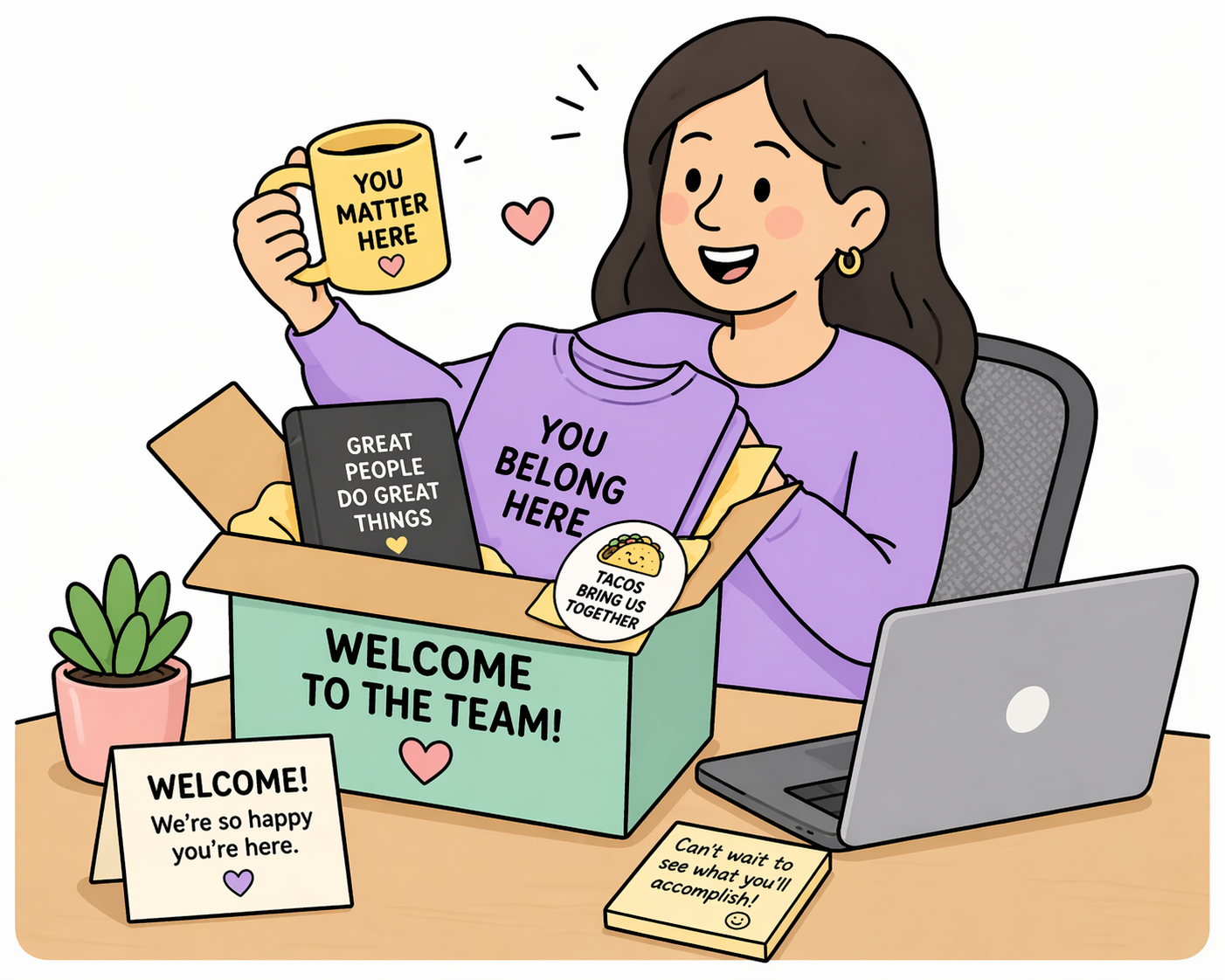
Onboarding, by definition, is integrating a new employee into an organization. Unfortunately, numerous studies and surveys show that newbies often feel far from integrated by the end. Many estimates say a third quit within the first six months, which makes onboarding critical to employee retention.
There’s a gap between doing your work and engaging with it. How do we get new employees excited for their role? How long should the process be? And how do we onboard new employees remotely? Let’s take a look at updated best practices and tips for onboarding new people.
The most common onboarding mistakes
Whether management’s school of thought is “You’ll get the hang of it” or “Follow the instructions we gave you to the letter,” new hires often feel overwhelmed, which stifles engagement. Here’s why:
- Coordinating training and onboarding activities while people transition from one job to another is logistically challenging.
- The integration process is generic. It lacks personalization, and is therefore more difficult for some hires to fully benefit from.
- Communication across departments leads to inconsistencies that confuse new employees.
- New employees don’t feel they received enough training. Or they cannot revisit training materials and modules when they need them most.
- Short, poorly organized, or fast-tracked onboarding processes. This leads to hires getting too much information at once.
- The company culture and core values aren’t made clear. Now there are challenges and expectations that new employees didn’t anticipate
- New employees don’t receive enough feedback as they settle in. This creates uncertainty and undermines their confidence in their abilities.
- Technical difficulties with onboarding platforms are frustrating and complicate the process.
You can’t eliminate every problem. Each person is unique. Our jobs aren’t always easy-peasy. But we can identify what issues are most likely to occur in our existing processes, and how they can complicate the roles we’re filling.
What are the 4 stages of onboarding?
The four stages of onboarding are post-hire, orientation, training, and integration. The tips and best practices we’ll share for onboarding new employees also fall into these four stages.
1. Post-hire
The new employee accepts the offer. During this stage, they’ll complete all necessary paperwork and other onboarding compliance requirements. They should also receive welcome information.
⚠️Watch out! Avoid including too much instruction and detail at this early stage. Keep it clear and concise, guiding them toward the next step.
2. Orientation
Now they’re getting acquainted with the organizational structure, company information, and role requirements. They understand what their job entails and who they report to. They should also understand the company's key characteristics and policies.
⚠️Watch out! Ensure the new employee meets management or anyone they’ll report to directly. Disengaged managers create disengaged employees.
3. Training
The training stage educates the employee further on job-specific skills. They gain deeper knowledge of company workflows and become proficient with the necessary tools and resources. They also become familiar with their department's objectives, customs, and culture.
⚠️Watch out! Try to resolve any technical or skill issues with apps and software during this phase. “We’ll fix that later/I’ll have someone show you down the line” makes it harder for people to move forward with confidence.
4. Integration
Integration can continue for months after the formal onboarding process has concluded. This is where team members accept the new employee and they become part of the culture. Team-building and socialization play larger roles in firmly rooting the employee in their role.
⚠️Watch out! Once a new hire is trained and out on the floor, it’s easy to consider onboarding a success. However, ongoing check-ins and feedback exchanges still matter. Watch participation rates and other engagement metrics to make sure they’re as settled in as you think.
Ready to make appreciation an everyday habit?
Try HeyTaco free for 30 days. No credit card required.
Try HeyTaco freeBest practices for onboarding new employees
Okay, it’s time to roll out the welcome wagon and get these new hires pumped to join your team. Here are some onboarding tips to improve or add to your process.
1. Share org charts and communication expectations.
Knowing who’s who and how to reach them is fundamental. It’s also common for people who already work there to assume it’s self-evident.
Give new hires an up-to-date org chart (with photos, if available). Double-check that they know who they report to and how to do so.
2. Curate a welcome package.
Recognition and engagement begin before someone’s first day. Include company information and details about their role, along with a handwritten note or small welcome gift.
Company swag is a good pick here. It’s an up-front declaration that they’re part of a collective now.
3. Create weekly checklists.
New employees frequently wonder if they’re up to speed or still getting the hang of it. It’s probably both, depending on the topic and time of day.
Weekly checklists for the first month or so can reassure them they’re on track and completing what they’re supposed to. It also provides important performance cues.
4. Consider introducing microlearning courses.
Roughly half of new hires feel undertrained for their role. Information overload and time constraints can limit what they actually take away from a dedicated training phase.
Microlearning modules can be done on the job, as they settle into the role. Gamifying training can make it even more engaging, for enhanced confidence and job satisfaction.
5. Emphasize culture and core values.
Integrity, inclusivity, innovation, or all three–make sure new people understand what the company values most. This reinforces why certain activities, processes, and expectations exist.
Loyal, high-performing employees feel they have a purpose. Their purpose is intertwined with the company’s purpose. It also tells people pretty quickly whether or not a company is right for them long-term.
6. Personalize the process.
Too much personalization can obfuscate onboarding. Strategic personalization can make it much more efficient and engaging. Knowing a hire’s experience level, learning style, outside responsibilities, and interests makes everything run more smoothly.
To gather this critical info, survey candidates during the interview stage. This will also help you tailor recognition to sustain engagement throughout their stay.
7. Have a coworker volunteer to be their contact.
Mentorship is popular, but not everyone needs it. What always helps is having another team member offer to answer any small thing a new hire won’t want to “bother” leads or managers with.
The buddy system eases socialization. It helps new hires feel they’re fitting in at every step.
8. Set up meetings.
New hires learn a lot by sitting in on meetings during onboarding. It gives them an authentic, up-close look at the company culture, leadership styles, and overall expectations.
It’s also a good opportunity to introduce the new hire to the entire team or department at once.
9. Host a team-building exercise or lunch.
There’s no better time to work on team cohesion than when introducing a new member. Get everyone acquainted by bringing everyone together for team-building exercises.
A team lunch is also a practical way to help people meet their new coworker in a less formal setting.
10. Space out information dumps.
If there’s a lot of material to share, give it in increments. This reduces overwhelm and the chance of anything being overlooked.
11. Poll them frequently.
Do you regularly review or evaluate your onboarding processes? A leading onboarding software provider claims that nearly half of you don’t.
If you’re reading this, you’re already on the right track. Take it to the next level by consistently inviting feedback. Show new hires where and how to submit it instead of just asking them on the spot.
Onboarding remote employees: 7 tips for success
Remember your first day at an in-office job. You show up and make introductions as the day begins. You scan the space and pick up everyone’s vibes. The nervousness you felt melts away as those scary unknowns become harmless knowns.
Remote employees don’t get this. They don’t get a brief period to orient themselves and work through their nerves. They’re also at a higher risk for disengagement. That’s why we have to dive right in along with them.
1. Update your virtual onboarding materials.
Ensure onboarding info is in a central location. Include engaging content and a degree of personalization. Details are easier to overlook, and information gaps are more likely, when everything is done virtually.
2. Reach out to welcome them before they start.
Perhaps the most important onboarding tip for remote workers is to build a relationship before they start. Mail them a physical welcome kit to help foster a grounding, tangible connection.
3. Celebrate them in the team chat on Day One.
Give onboarding meaning by having the rest of the remote team welcome them aboard. HeyTaco is a great tool for this. Shower your new crew member with virtual tacos of recognition. They’ll see themselves appear on the leaderboard, affirming their place on the squad.
Ready to make appreciation an everyday habit?
Try HeyTaco free for 30 days. No credit card required.
Try HeyTaco free4. Give them a virtual tour.
Walk the new hire through every platform or process they’ll use in real time, confirming they have access and can utilize every resource at their disposal. If appropriate, share your screen while doing the walkthrough and record the session. They can refer back when they have trouble navigating something.
5. Check in regularly and invite feedback.
You can also invite new remote hires to a document where they can drop questions as they come up. This puts less pressure on everyone to cover everything during dedicated meeting times. Plus, it means they don’t have to reach out every hour.
6. Pair them up with a buddy.
The buddy system is arguably even more effective for remote teams. Naturally, working from home can lack the feeling of a real work environment. Having a colleague you chat with regularly to resolve issues and share updates helps orient remote employees in a virtual workplace.
7. Give some grace.
In many cases, remote employees have to be much more independent and self-directed than in-person hires. That gets tested when you’re starting something brand new. Understand that settling in and finding the flow can take a bit longer, especially if this is their first remote position.
Signs your current onboarding process isn’t working
Super serious about preventing turnover? These are the warning signs your new hire may make an early exit:
- They’re still not speaking up during meetings. Observing quietly isn't cause for concern, at first.
- They remain isolated. They do all their work solo and are least likely to show up in the team chat.
- They stop asking questions. Many new hires fear looking incompetent and struggle silently in the wrong environment.
- Excitement levels drop. They were buzzing at first, but the drop in energy levels and morale is difficult to ignore.
- They’re slow to contribute. You checked their cred and tested their skills, so what gives? A lack of confidence.
Make onboarding meaningful and engaging with HeyTaco
One more important issue to acknowledge: While starting a new role is exciting, onboarding can be kind of boring.
One of the best onboarding practices is to make it as celebratory as possible. Peer recognition can help new employees feel a sense of belonging ASAP. It’s easy to introduce HeyTaco during onboarding for:
- Warm welcomes from coworkers
- Celebrating their very first wins, even tiny ones
- Making connections and forming relationships
- Building the confidence to contribute
It’s also free to start. Grow your culture of appreciation with a lightweight, easy-to-understand tool that works from Day One.