Recognition, purpose, and growth: this is how we increase employee engagement. There are some slight, necessary adjustments for remote team engagement, though. A lack of connection, not workload, puts more people at risk of WFH fade-out.
TL;DR:
- Quiet quitting on remote teams is more about invisibility than output reduction.
- Tailored remote employee engagement strategies resolve key issues such as Zoom fatigue and the lag effect of surveys.
- Informal peer recognition and regular shout-outs make small wins louder and more visible, reducing the sense of isolation common in quiet quitting.
What does quiet quitting look like on remote teams?
Quiet quitters in an office are known for statements like, “That’s not my job.” They may technically be correct! It’s hard to argue with someone’s boundaries. The bottom line is, they make it clear they’re done reaching beyond their role’s minimum requirements.
Quiet quitting on remote teams is more on-the-nose: these people go ghost. They’re mum during meetings, silent on Slack, and they opt out of anything optional. They may continue putting forth as much work as before, but you feel their presence even less than usual.
Quiet-quitting symptoms overlap across work situations. But if your WFH employees drop off the map, you have to target strategies intended for remote employee engagement.
Why some employee engagement strategies don’t work on a remote team
The barriers to connection in a virtual workplace feel bigger because they are. At first, anyway. Here are the challenges many traditional efforts miss.
Fun feels forced.
The “fun” stuff on many remote teams means they’re turning their cameras on. Yes, it’s necessary at times. Even so, the constant pressure to appear “on” and perform fun instead of having it makes it a drag.
Culture efforts don’t scale across time zones.
When teammates work in different time zones, collaboration and communication drop sharply. This naturally leads to isolation and invisibility. Some employees stave off these feelings by shifting their communication times. However, handling so much work-related communication outside of working hours can accelerate burnout.
Surveys catch problems a month (or three) too late.
And it’s not just the lag effect that impacts remote employee engagement measurement through surveys. Surveys rely too much on employee sentiment at the moment they respond. With distributed teams, we need more insight into behavior. Feedback loops and real-time recognition data are better for this.
Perks and activities cannot replace the feeling of being seen.
Remote employees may know that leadership or HR means well. They appreciate that you’ve sent them a snack box or asked an actually interesting icebreaker question. This doesn’t mean they feel that their specific contributions are valued. It doesn’t create belonging within a network of coworkers.
Remote employee engagement strategies that amplify wins
Developing a culture of recognition is shown to reduce voluntary turnover by more than 30 percent. With peer recognition, interactions from all directions make them feel not just seen, but celebrated.
Peer recognition tools.
The one classic employee engagement strategy that works even better inside digital workflows. The small, positive interactions we get with peer recognition reduce managerial blind spots and feel more genuine. Ensure it’s integrated directly into their workflow and that they can use it informally.
Ready to make appreciation an everyday habit?
Try HeyTaco free for 30 days. No credit card required.
Try HeyTaco freeIntroduce a “Who helped?” weekly ritual.
To help get the ball rolling on peer recognition, do this at the end of every week. Invite people to share who helped them that week so that people get specific recognition for their recent contributions. Especially the very small stuff that no one else saw.
Add recognition to retrospectives.
We’re not trying to soften a blow or coddle people through mistakes here. Adding appreciation to “what went wrong” sessions can turn them into team-building activities. You know, the events they’re currently avoiding. Finding wins as you learn to overcome challenges is important for building cohesive teams.
Let new hires have more experiences and fewer documents.
Quiet quitting is a larger problem among recent hires who struggle with expectations vs. reality. Onboarding materials often talk about inclusive, welcoming cultures that new people end up never experiencing. Introduce them to channels where they can ask questions and interact with others, and follow through on meeting them there.
Celebrate the givers and the grateful, not just performers.
When some team members make peer recognition a habit, celebrate them as though they completed a successful project. Publicly praising this is shown to increase helping behaviors in others. In this way, peer involvement prevents remote disengagement before it starts.
Increasing connection and engagement on remote teams: Your 30-day playbook
Deploying new employee engagement strategies shouldn’t take months of work and a budget you constantly have to defend. Here’s how you can start today and see results in 30:
1. Week One: Start your free trial of HeyTaco. It integrates seamlessly into Slack and Teams, and learning how to use it takes minutes (if that). Create a gratitude channel and start sharing tacos for small acts.
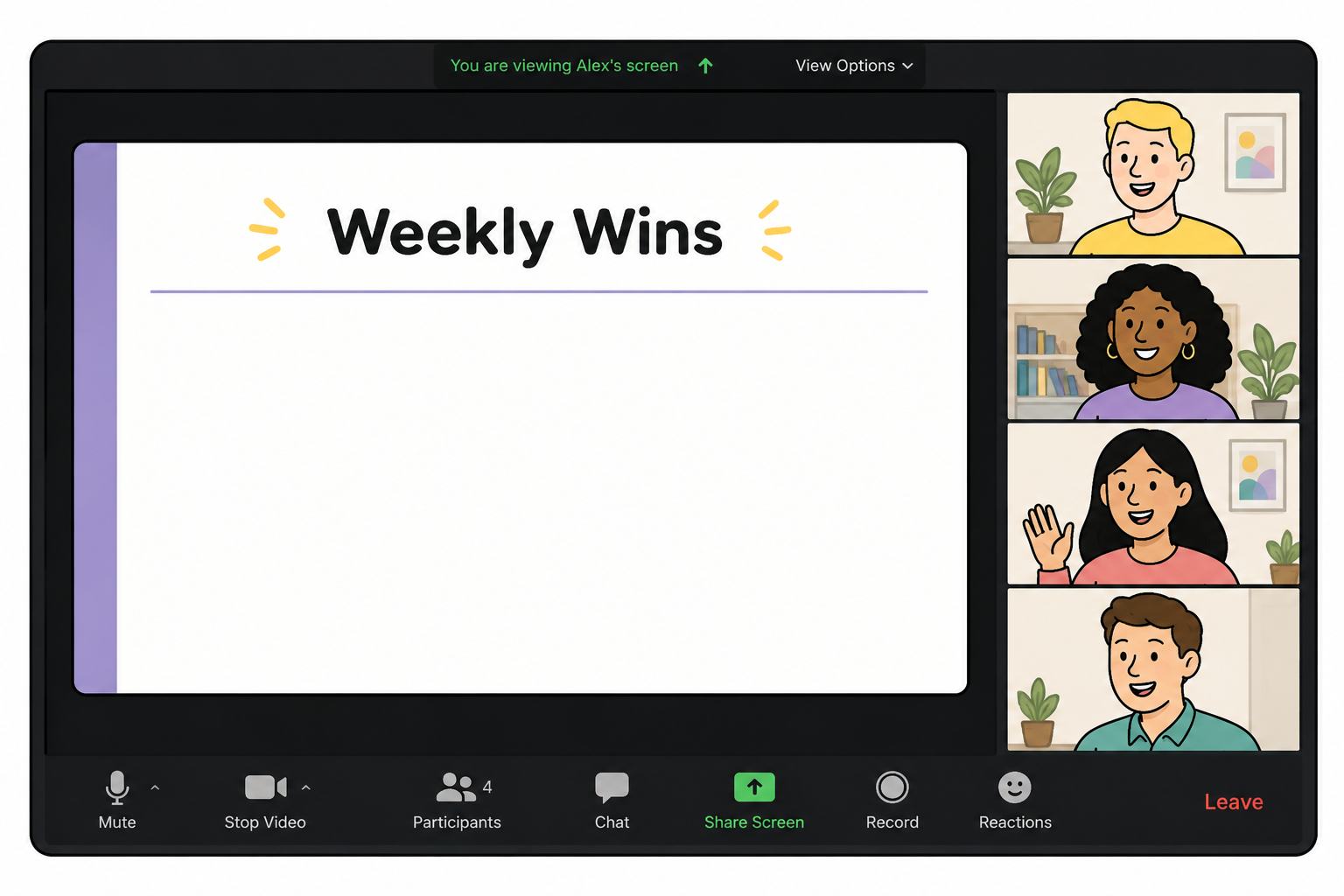
2. Week Two: Introduce a new team ritual where peers recap weekly wins and exchange tacos. Be sure to highlight the company’s core values.
3. Week Three: Set up the Milestones feature. Automated public wishes for birthdays and work anniversaries have a domino effect that inspires peer participation. It also generates nice messages for people in other time zones to find when they log on.
4. Week Four: Celebrate the month’s top givers on the leaderboard during an all-hands. Tailor rewards to the culture, and review other trends and insights into the impact recognition is having.
Find out why HeyTaco is different and more effective at engagement across thousands of global teams.
Ready to make appreciation an everyday habit?
Try HeyTaco free for 30 days. No credit card required.
Try HeyTaco freeFAQ: Employee engagement strategies for remote teams
Do employee engagement strategies work for introverted remote teams?
Yes, the main difference is that you must focus on small, authentic interactions over lengthier, stuffier-feeling meetings and activities. It’s also preferable to allow autonomy so it never feels forced. Simple, gamified peer recognition tools are created for this purpose.
How do employee engagement strategies change when you work across five or more time zones?
Autonomy and flexibility in peer recognition tools are essential here. Create more social channels where people can connect and rotate mandatory meeting times. Avoid strict daily surveillance and focus on overall output quality. It’s also important not to split all public communication channels by time zone. If teams affect decision-making, everyone should be able to view the process in the same place.
What’s the fastest way to improve workplace connection on Slack?
By creating a new peer recognition channel. Channels like #shoutouts and #gratitude are very popular, but the company’s actual culture comes first. Include social channels like #random (watercooler discussion) and #ama (for help with work questions).
Can employee engagement strategies backfire and create cliques?
Yes, if you only praise performance and create mandatory team-building efforts where a few extroverts dominate. Celebrate and recognize positive behaviors and small wins of every kind. Make peer recognition a low-effort option that everyone can use.