"Kudos to you for crushing that presentation!"
Many people are familiar with the word kudos and understand it to have positive connotations. That's probably why everything from candy to diapers has been branded with it; what business wouldn't want its product to earn a big thumbs-up? 👍
Still, you'll most often hear "kudos" in the workplace. Given the true meaning of kudos, that makes complete sense.
What does kudos mean?
Kudos is an expression of gratitude and appreciation. This two-syllable word is one of the clearest, most succinct ways to recognize someone's efforts.
Some examples:
- She received emphatic kudos from her colleagues for her quick thinking.
- The CEO felt the team deserved extra kudos for the successful campaign launch.
- Kudos all around for holding it together during that meeting. Whew!
In meaning and intent, kudos matter more in the workplace than anywhere else. Recognition must be given frequently and promptly to have the best impact on employee engagement rates.
With such a short, catchy word at our disposal, we have little excuse not to give everyone kudos as often as needed.
What is kudos' origin?
We'll have to give this one to the Greeks. In both modern and Ancient Greek, it's κῦδος or kydos, meaning renown, glory, and today, praise.
Its less-formal lifespan as an English expression of praise dates back to the 16th century. It became common in the US workplace in the 20th century.
How kudos improve workplace culture
Kudos are a core contributor to a culture of employee recognition. In these cultures, you may not hear the word itself daily, but employees feel they receive kudos regularly. Coworker compliments, congrats from management, and a "good job" from team leads are all kudos. This is a main driver of high morale, better productivity, and, the big one, overall job satisfaction. A culture cannot sustain and continue if employees aren't content to stay in what they feel is a great place to work.
Visual comms giant Canva surveyed 1,500 professionals. Only 7% of those who went unrecognized or felt underappreciated were satisfied with their jobs. Compare that to the 81% who both receive their kudos and are satisfied with their jobs.
Workplace culture reaches the next level when employees aren't just satisfied with their role, but flat-out love where they work. Surveys found that 94% of those who felt awash in kudos would use the L-word to describe their workplace. 😍
Give employees their kudos, and they will give them back. The company's culture, reputation, and output all improve.
Give kudos new meaning with tacos.
Listen, we think kudos is a great word, but it doesn't vibe with everyone. Good thing there are plenty more ways to give kudos.
Our best alternative? 🌮
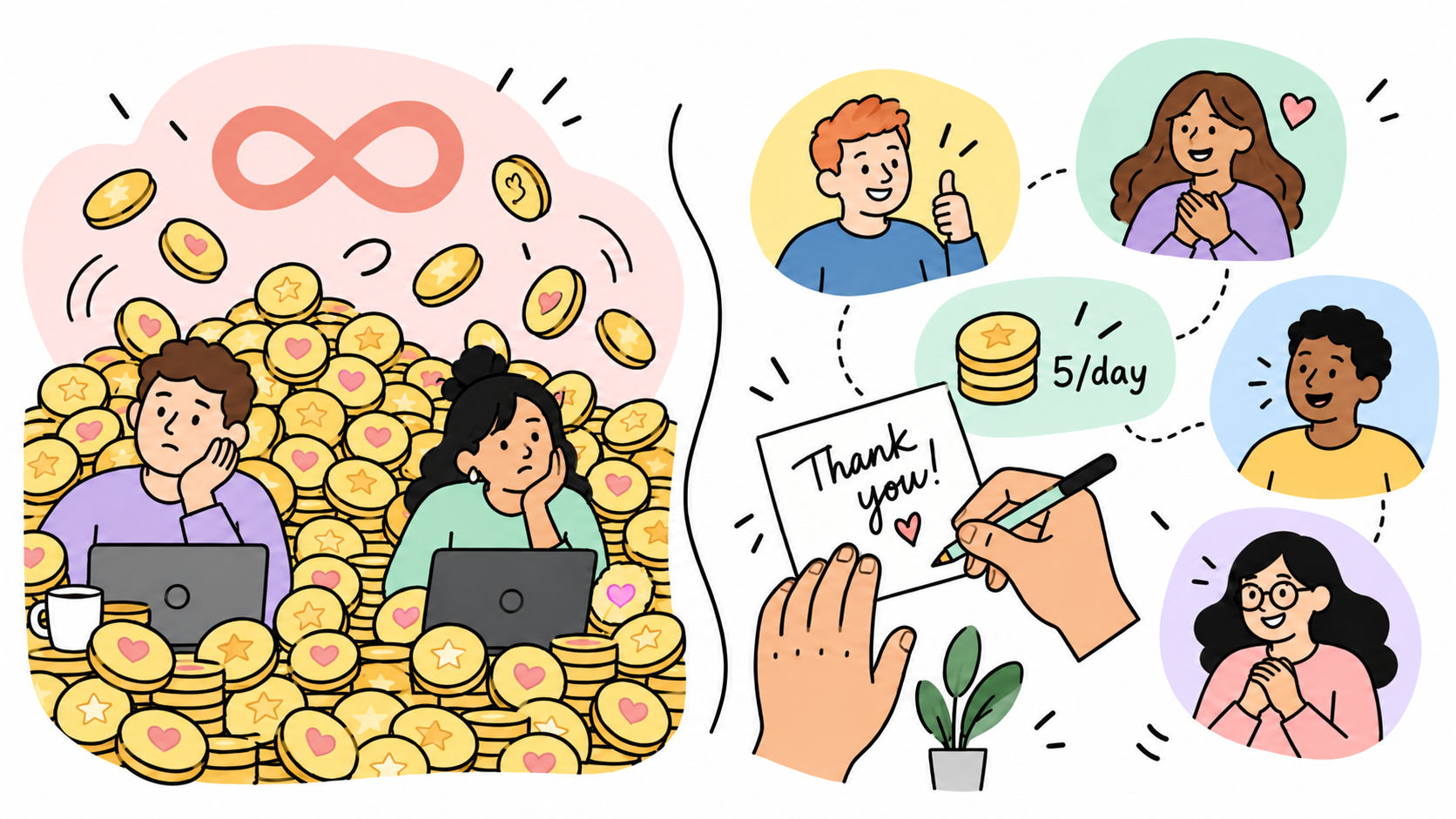
Drop a virtual taco in the team chat faster than you can say "kudos" with our award-winning peer recognition platform, HeyTaco. Tacos become a cultural mascot for reinforcing positive behaviors, showing appreciation, or displaying awesome core values.
Plus, HeyTaco features leaderboards that reward top givers and receivers. That's hard evidence that employees are getting enough recognition and spreading the love–both signs of a healthy workplace culture. Try it for free!
Kudos FAQ
What's another way to say kudos to you?
There are many different ways to praise and celebrate someone. "Kudos" is good as a catch-all, but here are other phrases we use when giving someone their kudos:
- "Great job, very well done!"
- "You're awesome!"
- "Excellent work."
- "I'm impressed!"
- "This is amazing."
- "Congratulations!"
You don't even have to speak; cheering, clapping, and giving a thumbs-up are popular nonverbal expressions that say the same thing.
How do kudos affect employee motivation?
Kudos are positive reinforcement. They express approval and let someone know they've done right. When you feel you're on the right path and doing a good job, you're motivated to keep it up. You're also more likely to form a deeper connection with your work.
Read this post on employee engagement and motivation to learn more about the impact of positive recognition.
What's the best way to give kudos during a meeting?
If someone contributes positively during the meeting, give them kudos on the spot. "Kudos to you on that idea," or "Thanks for sharing; it's much appreciated," are effective when said as soon as possible.
You can also block out a few minutes at each meeting to give kudos to that week's superstars. Building recognition into routine activities ensures consistency and makes it a cultural ritual.